
Three years of the European Whistleblowing Institute: Building a protection ecosystem in a changing Europe
1 December 2025
December 2025 marks three years since the European Whistleblowing Institute (EWI) was founded, and six years since the EU Whistleblower Directive entered into force. The Directive represented an unexpected and transformative step for whistleblower protection in Europe. As its implementation has unfolded, EWI’s work has expanded in scope, depth, and impact across Member States and sectors.
A rapidly changing environment
In the six years since the EU Whistleblower Directive was adopted, the wider context has shifted markedly, including serious challenges in the rule of law, democracy, and rapid changes driven by digital technologies. These developments have only underscored the importance of protecting individuals who report wrongdoing in the public interest.
Implementation, however, has been uneven. Many Member States faced delays, prompting infringement procedures. Organisations across the public and private sectors have had to establish new reporting mechanisms or redesign existing ones. Judicial systems continue to interpret these new protections for the first time.
EWI’s mission: Strengthening capacity across Europe
Laws alone are not enough. Effective whistleblower protection requires institutions and professionals with the skills, systems, and capacity to apply the law in practice.
From the outset, EWI has worked as an independent hub connecting practitioners, scholars, policymakers, journalists, and civil society. Our role is to ensure that expertise flows both ways: translating law and policy into practice, and grounding institutional design in real-world experience.
Building the policy and legal profession
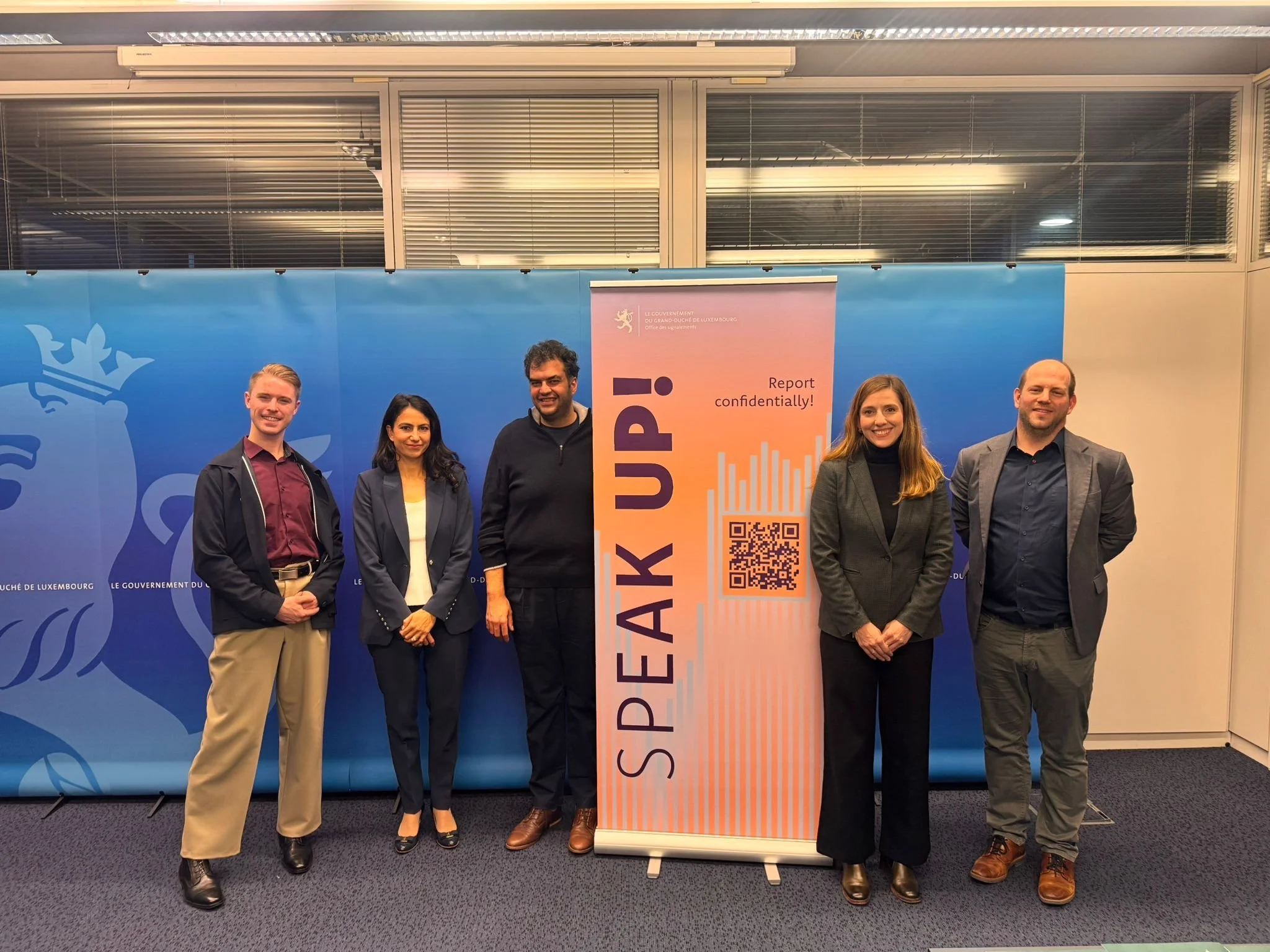
EWI contributes to establishing a professional field that, until recently, lacked shared standards or specialised training. We deliver high-quality training for public authorities, ombuds institutions, regulators, and compliance teams. Through EU-funded programmes such as BRIGHT, we train officials who implement whistleblower protection on a daily basis. Our practical frameworks and case-based materials are now used across Member States to strengthen reporting channels, investigative processes, and protection measures.
Developing the next generation
EWI’s educational mission spans the full academic pathway from undergraduate students to emerging scholars. Together, these initiatives form Europe’s first integrated educational ecosystem for whistleblowing expertise.
Undergraduate level: The Myers Moot Court Competition (MMCC) is Europe’s only moot court dedicated to whistleblowing law, giving students practical experience in advocacy and decision-making.

Master’s level: The Lewis Master Thesis Award recognizes outstanding graduate research in whistleblowing law and policy, encouraging rigorous and original scholarship.

PhD and Postdoctoral level: The EWI Fellows Program currently convenes researchers from Austria, Belgium, Germany, Czechia, Italy, Poland, Slovakia, Spain, and Greece. Fellows collaborate on comparative research, policy-relevant analysis, and thought leadership, strengthening the academic foundations of the field.
Convening Europe’s whistleblowing community
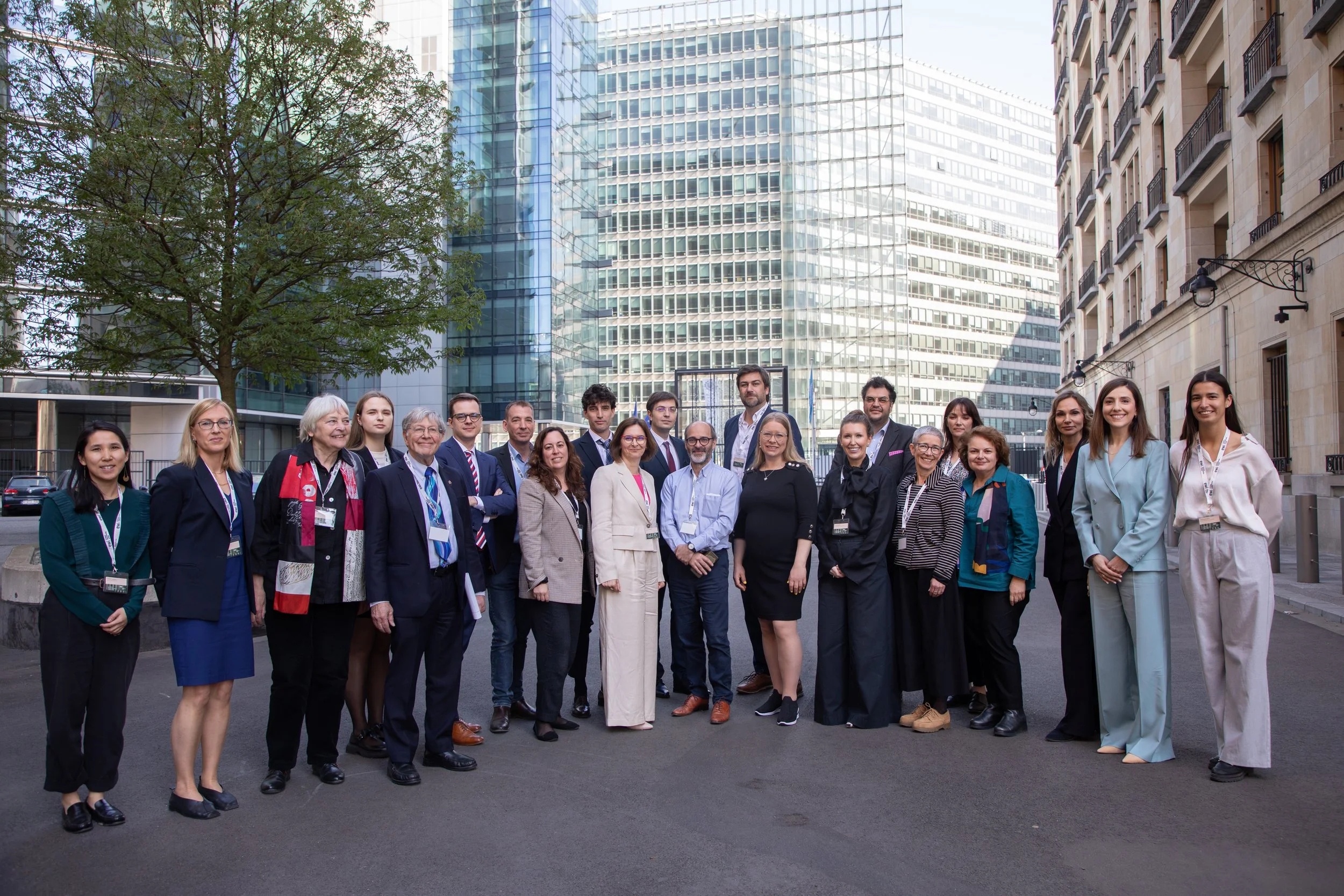
In 2025, EWI hosted the first Europe-wide conference devoted entirely to whistleblower protection. Held in Brussels, it brought together leading voices from national authorities, EU institutions, academia, investigative journalism, and civil society.
EWI also curates targeted online events exploring under-examined dimensions of whistleblowing, including: Gender and whistleblowing, examining how gendered experiences shape risks and reporting behavior; Civil society and legal practitioners, discussing how joint action strengthens national systems; Three years post-transposition, assessing lessons learned and tools for improving implementation. These events create shared spaces for reflection, learning, and collaboration across Europe.
Expertise, tools, and mobilizing action
EWI provides independent and timely expertise. Recent analyses include: a legal memorandum on the proposed abolition of Slovakia’s Office for the Protection of Whistleblowers, detailing breaches of EU law and risks to anti-corruption systems; a briefing on Europe’s rule-of-law backsliding and its implications for whistleblowers; and tools and guidance for organizations assessing their whistleblowing systems against international and EU standards.
These publications have informed public debate, supported civil society, and guided policymakers across Europe.
Looking ahead
Six years after the Directive’s adoption and three years into EWI’s work, the foundations for a European whistleblowing framework are in place but the challenges ahead remain significant.
EWI will continue advancing knowledge, strengthening systems, and supporting the people and institutions responsible for protecting those who speak up. We look forward to deepening our partnerships and expanding our contribution to whistleblower protection across the European Union.
December marks both a moment of reflection and a renewed commitment to the work ahead.
