
European Whistleblowing Conference: Whistleblowing in the AI Era | 20 October 2026 in Brussels, Belgium
20 July 2026
» REGISTRATIONS CLOSED «
The second edition of Europe's only dedicated forum on whistleblowing law and policy will take place on 20 October 2026 in Brussels, Belgium. This year's theme, "Whistleblowing in the AI Era: National Security, the Rule of Law, and Public Accountability", will address the crucial yet unexplored intersection of AI and whistleblowing.
This conference is designed for:
EU and national regulators and supervisory authorities
Policymakers and institutional actors involved in AI governance, rule of law, and national security
Legal and compliance professionals
Academics and researchers in whistleblowing law and policy, data protection, and technology governance
Civil society organizations engaged in accountability and integrity
Whistleblowers, AI employees, social partners' representatives
Line-up
Opening address
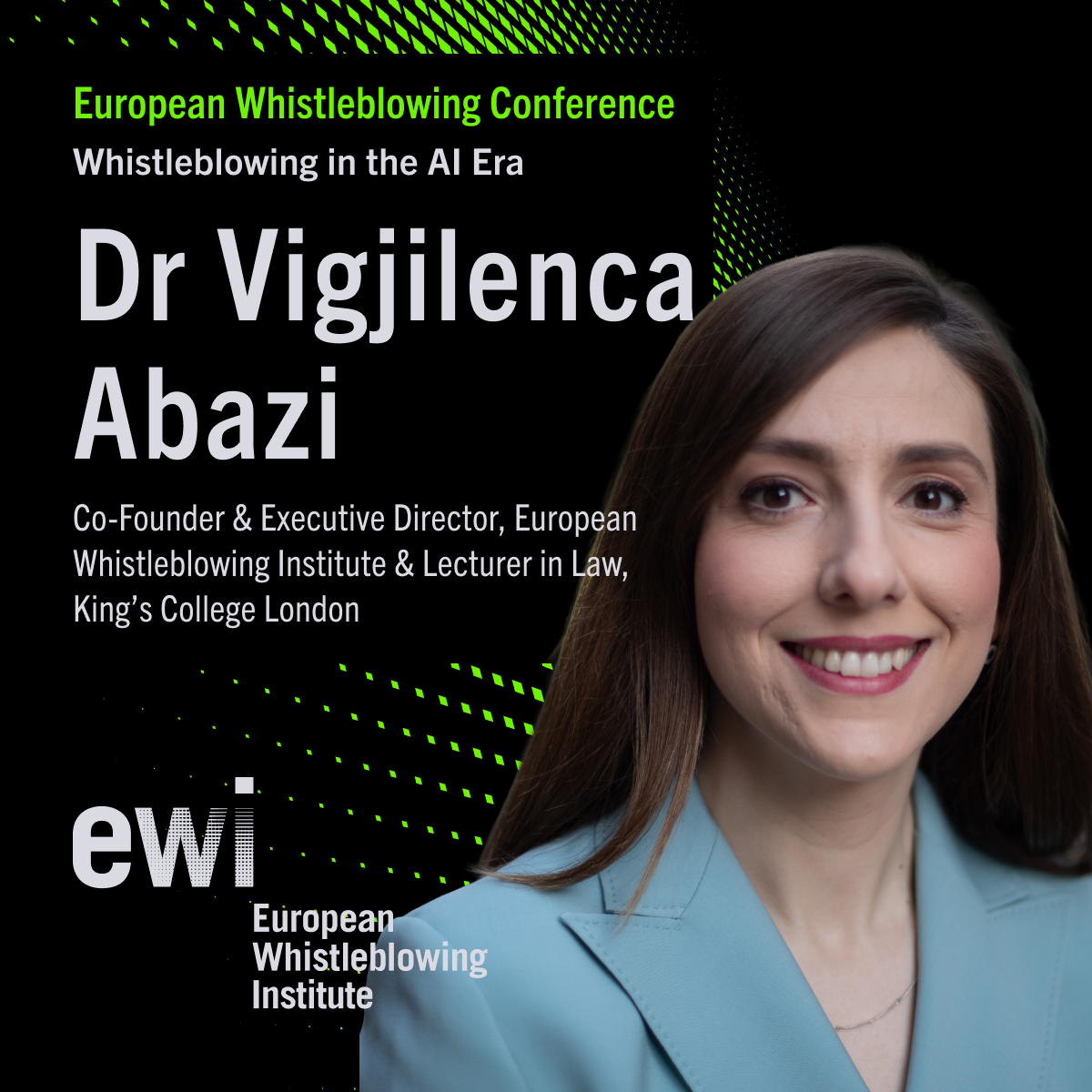
Dr Vigjilenca Abazi, Co-Founder & Executive Director, European Whistleblowing Institute & Lecturer in Law, King’s College London
Dr Abazi is a premier authority on whistleblowing compliance and disclosures. Widely recognised as a pioneer of the field of EU whistleblowing law, she co-authored the model text that laid the foundation for the EU Whistleblower Directive. Her scholarship directly shapes European jurisprudence and was cited in landmark proceedings before the Court of Justice of the European Union. Admitted to the New York Bar, her cross-jurisdictional advisory experience spans the US, UK, and the EU, including testimony before the European Parliament and consultations with the European Commission, Council of Europe, and multinational executive teams. She has delivered training to judges, prosecutors, and national authorities across Europe.
Panel 1: AI Whistleblowing: Building Trust
This session cuts to the heart of whistleblowing in the AI field by examining how the newly established EU AI Office operationalises its reporting channel. Panellists will expose current enforcement gaps within existing legal frameworks and confront the unique, high-stakes challenges technical insiders face when sounding the alarm in what is a transformative industry for humanity. Bringing together regulators, legal scholars, and frontline advocates, this panel reflects on a practical roadmap for what stakeholders must do next to secure accountability in automated environments whilst safeguarding whistleblowers.
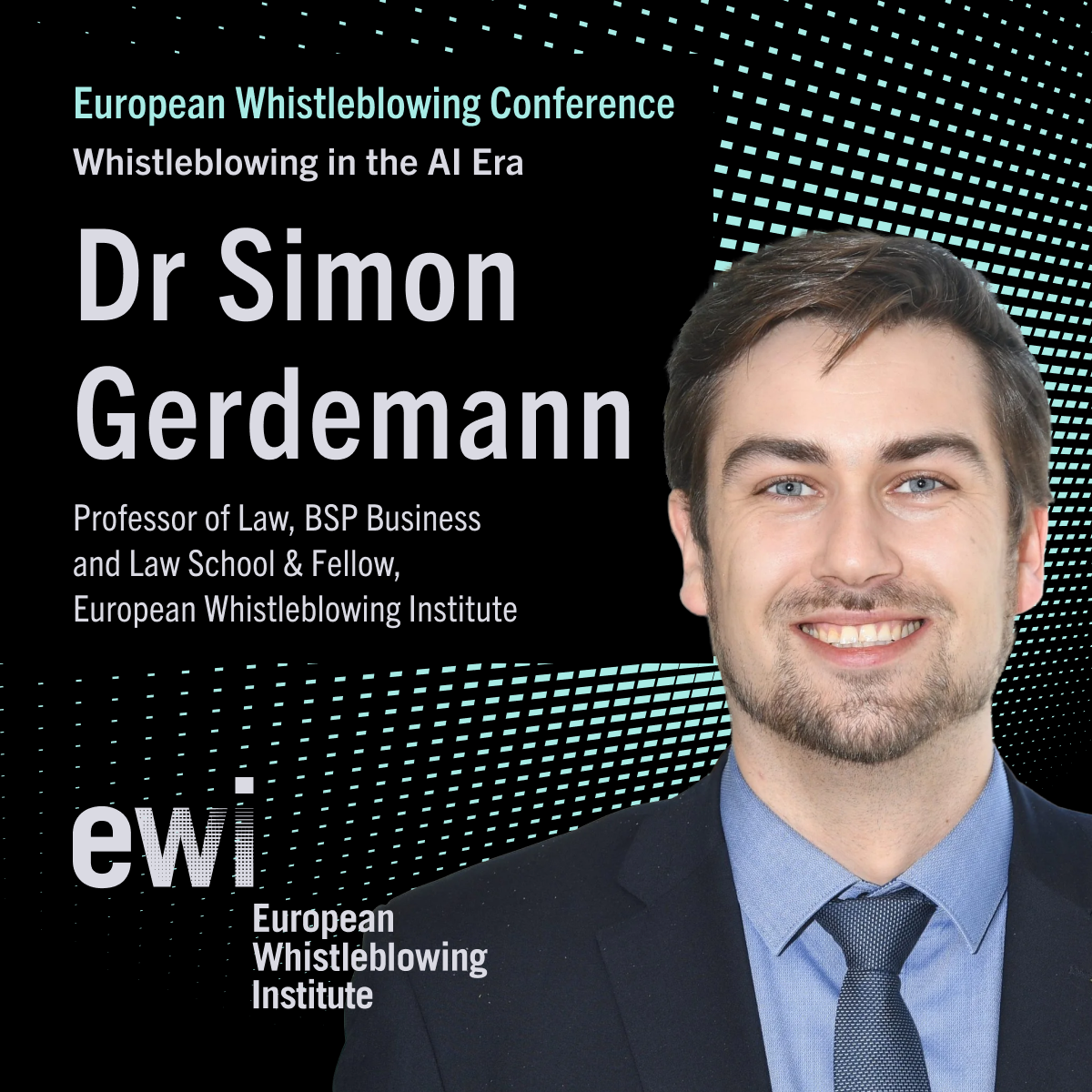
Chair: Dr. Simon Gerdemann, Professor of Law, BSP Business and Law School & Fellow at the European Whistleblowing Institute
Dr Gerdemann is a multi-award-winning legal scholar specializing in Whistleblowing Law, Digital and AI Law, Civil Law, and Comparative Law. He is a Professor of Law at the BSP Business & Law School Berlin and the principal investigator of the DFG-funded research project “Impact Analysis of German and European Whistleblowing Law".
Speakers
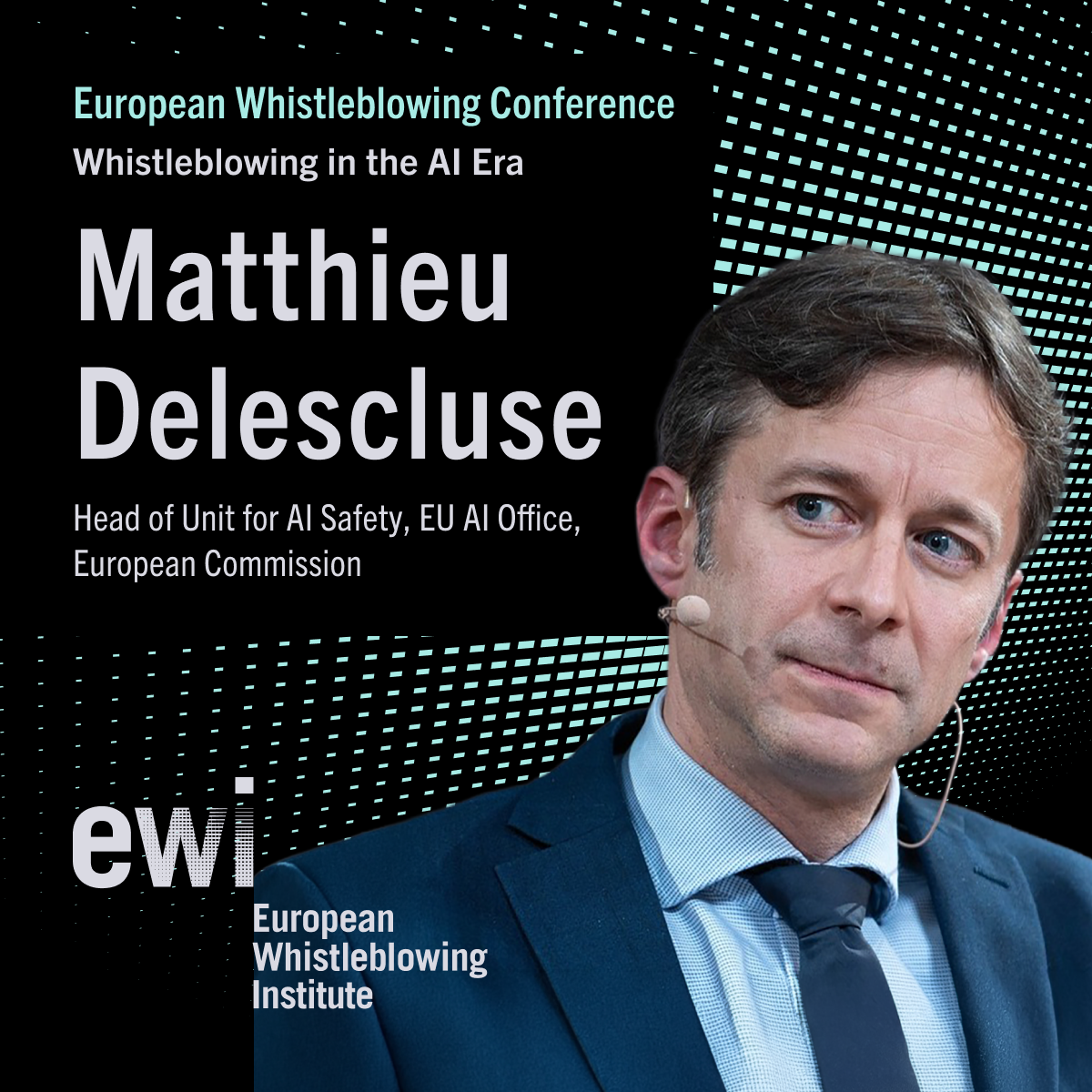
Matthieu Delescluse, Head of Unit for AI Safety, EU AI Office, European Commission
Mr Delescluse is heading the AI safety unit of the EU AI Office in charge of supervising and enforcing the EU AI Act’s obligations on providers of the most advanced AI models. He has worked in different departments of the European Commission, in particular on the coordination of EU funding programs for R&I activities in digital and on the regulation of the telecoms sector.
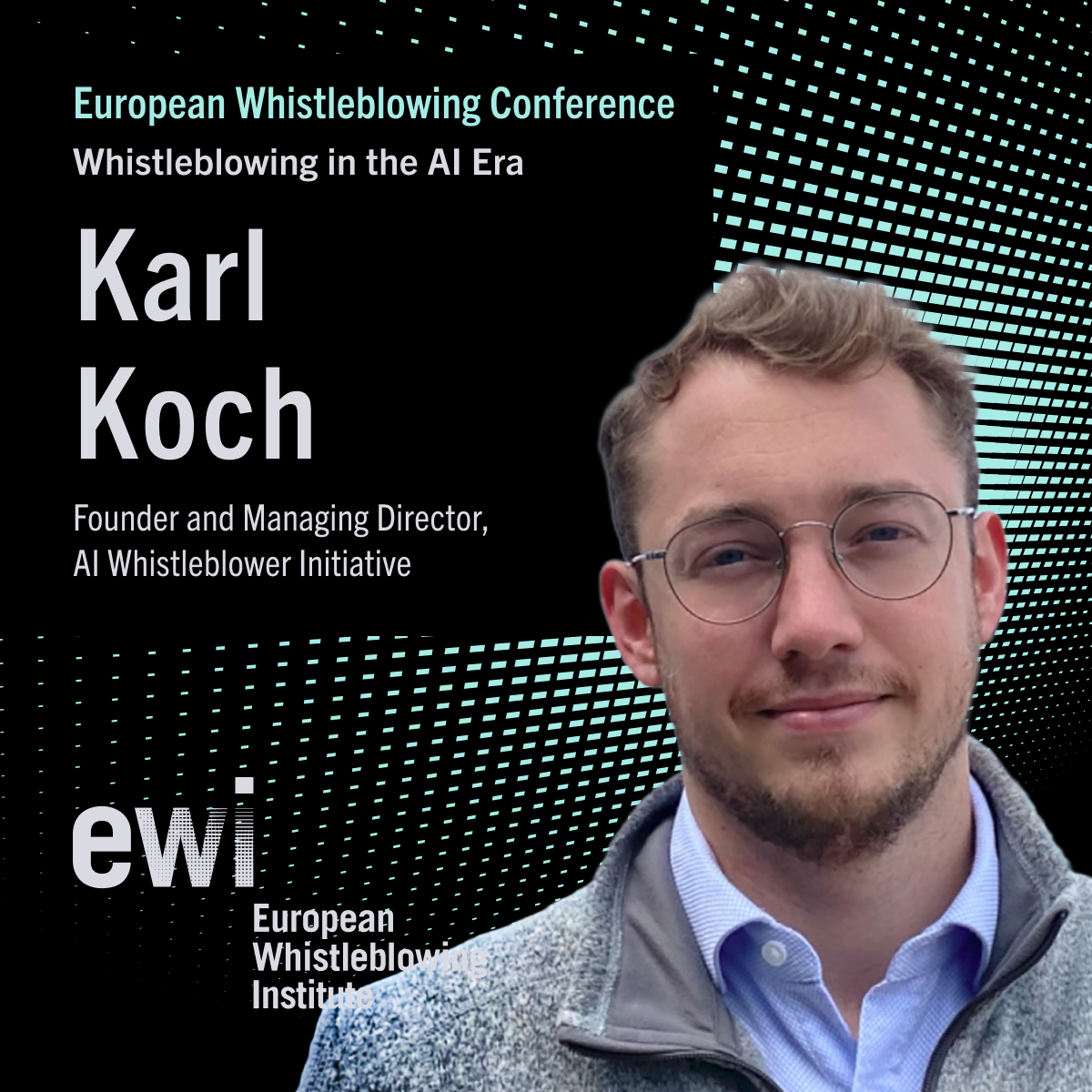
Karl Koch, Founder and Managing Director, AI Whistleblower Initiative
Mr Koch has been involved in responsible AI since 2016, when he first worked as a volunteer researcher at the Future of Humanity Institute. Before AIWI, he worked as a management consultant and founded a SaaS business, which was acquired in 2023. His policy work includes co-authoring the commentary on whistleblower protections in California’s SB53 and a resource on whistleblowing under the EU AI Act, and contributing subject-matter expertise to the EU AI Office during the development of the world’s first AI-specialized whistleblowing channel.
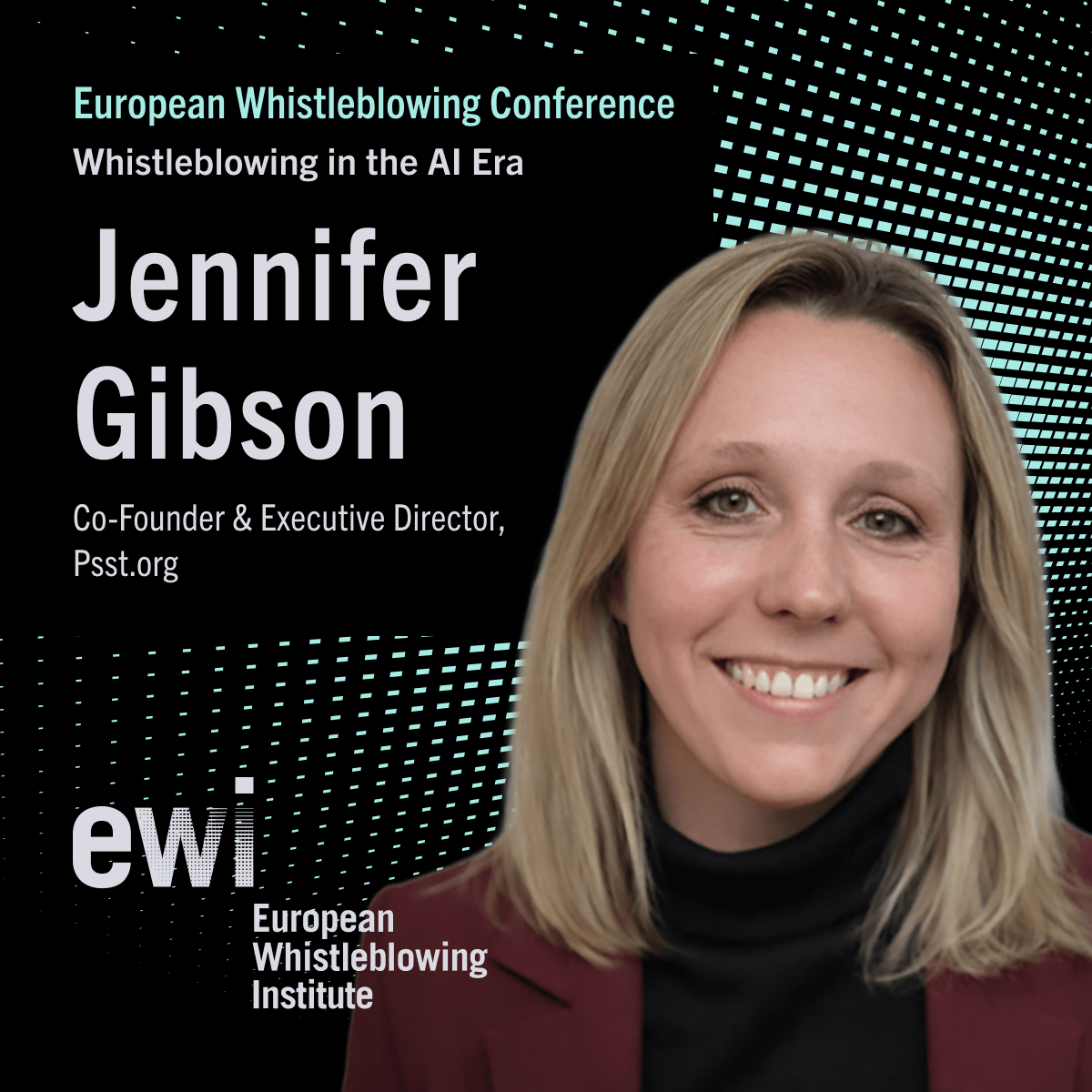
Jennifer Gibson, Co-Founder & Executive Director of Psst.org
Ms Gibson is a US lawyer with over fifteen years’ experience investigating, litigating, and advocating on human rights. She most recently ran the Whistleblower Protection Program at The Signals Network and previously worked for Reprieve, where she led the organization’s work on extrajudicial killings carried out under the guise of national security. She worked closely with civilian victims of drone strikes in Pakistan, Yemen, Libya, and elsewhere, investigating their cases to secure accountability.
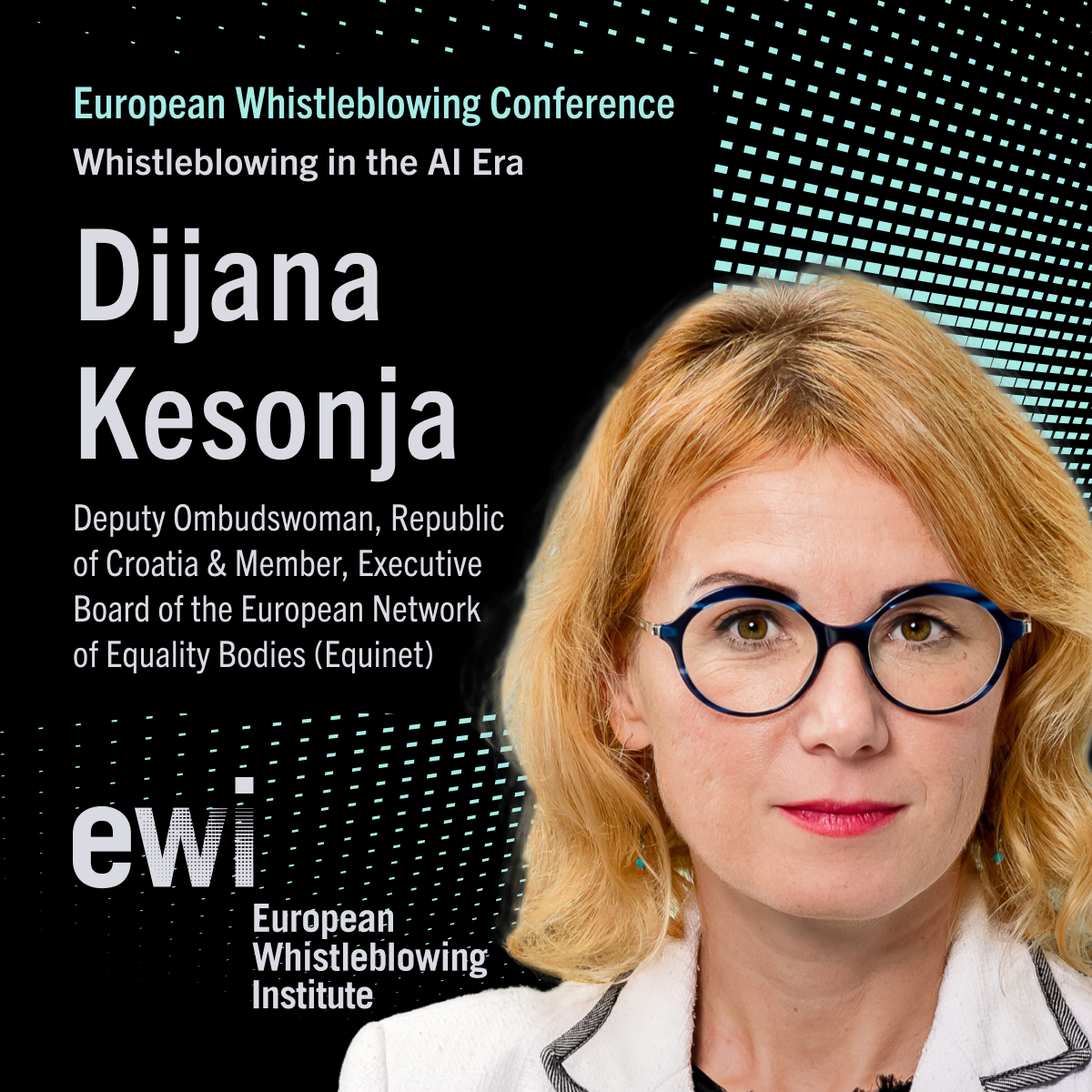
Dijana Kesonja, Deputy Ombudswoman, Republic of Croatia
Ms Kesonja’s specializations include whistleblowers’ protection and combating discrimination with an emphasis on labour, employment and hate speech. She participated in various international expert working groups, human rights seminars, conferences and forums and delivered training sessions on the topic of protection of whistleblowers, combating discrimination and protection of human rights in general.
Panel 2: National Security and the New World Order
This panel will discuss the new geopolitics and national security era concerns as they shape policies, including whistleblowing. As emerging technologies and geopolitical instabilities redefine the state apparatus, the traditional boundaries of public interest whistleblowing face unprecedented strain. The discourse will address the evolving role of frontier technologies and artificial intelligence in both precipitating national security disclosures and complicating the legal protections afforded to those who speak out. The panel will address the rules in safeguarding whistleblowing in national security with a special focus on the intersections and gaps between the EU and European Convention on Human Rights regimes.
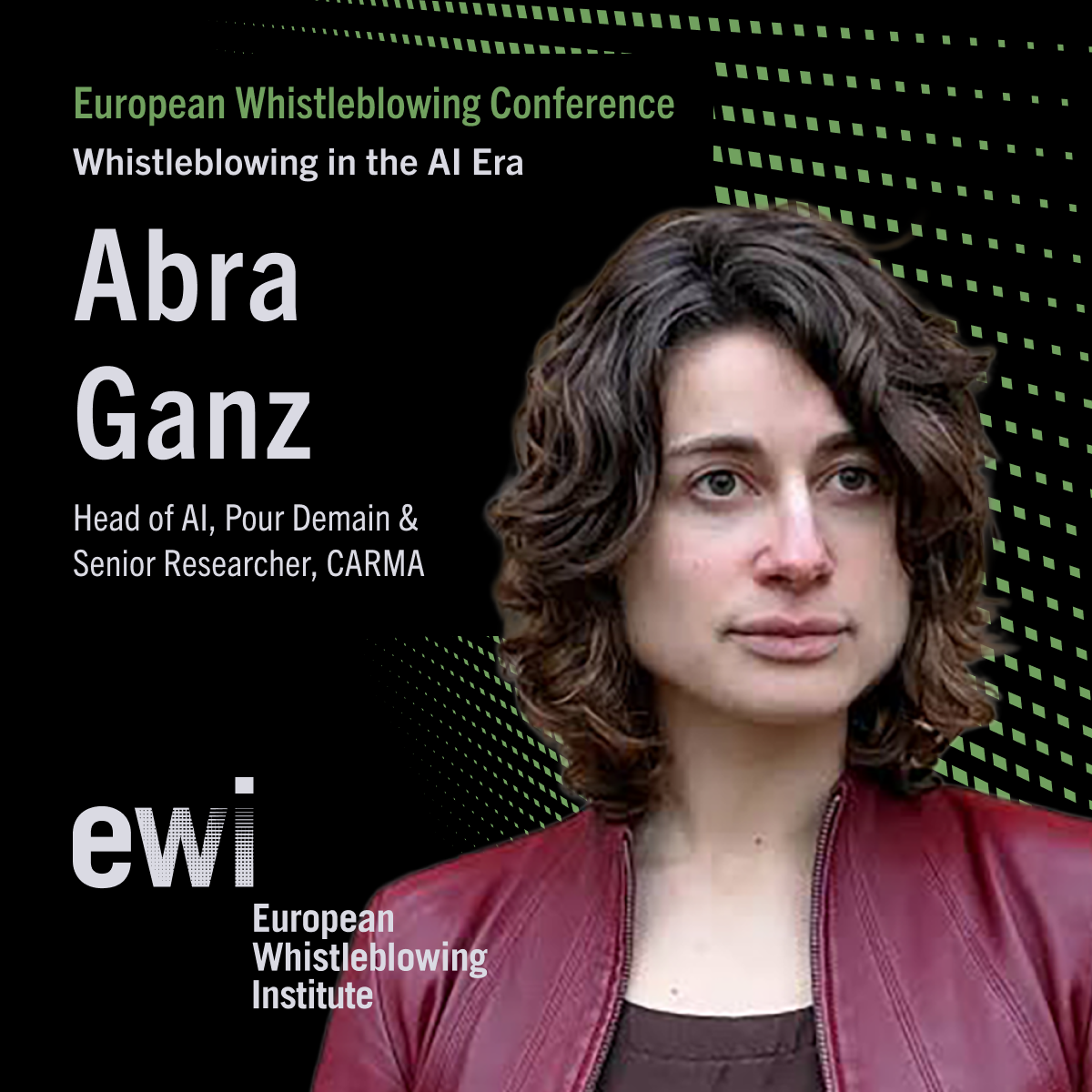
Chair: Abra Ganz, Head of AI, Pour Demain & Senior Researcher, CARMA
Ms Ganz’s work spans AI oversight in civilian and national security settings. The current focus of her research is improving oversight of AI systems and reporting of risks and incidents. In this role, she advises lawmakers on best-practice legislation and agencies on report reception and evaluation, as well as recommending improvements for internal oversight mechanisms.
Speakers:
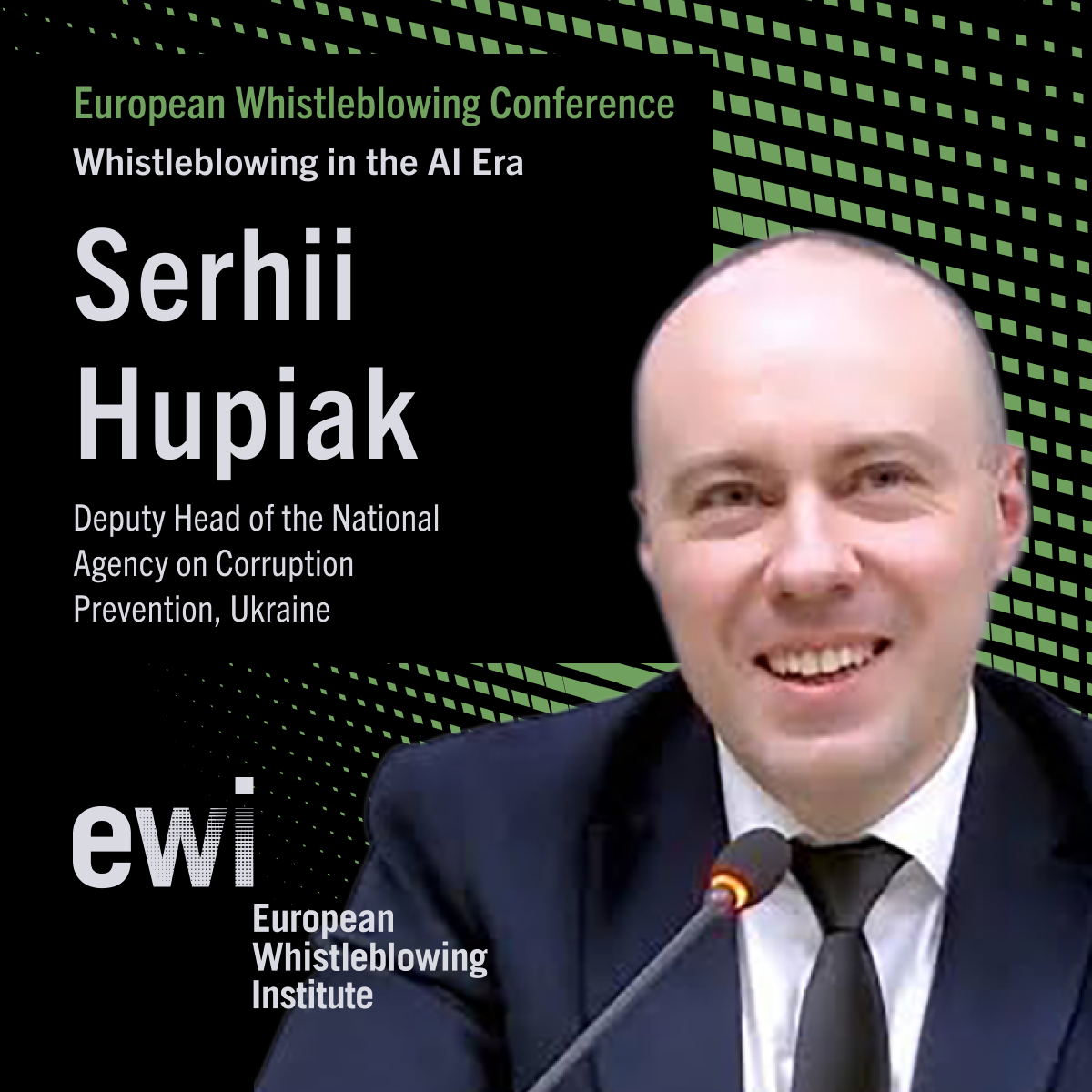
Serhii Hupiak, Deputy Head of the National Agency on Corruption Prevention, Ukraine
Before his appointment, Mr Hupiak worked as the Head of the Investigation Department of the Territorial Department of the State Bureau of Investigation located in Khmelnytskyi. He worked on international projects to combat human trafficking and labor exploitation and held senior positions in the prosecutor's office, rising from Deputy Head of the Department to Head of the Prosecutor's Office of Vinnytsia Region.
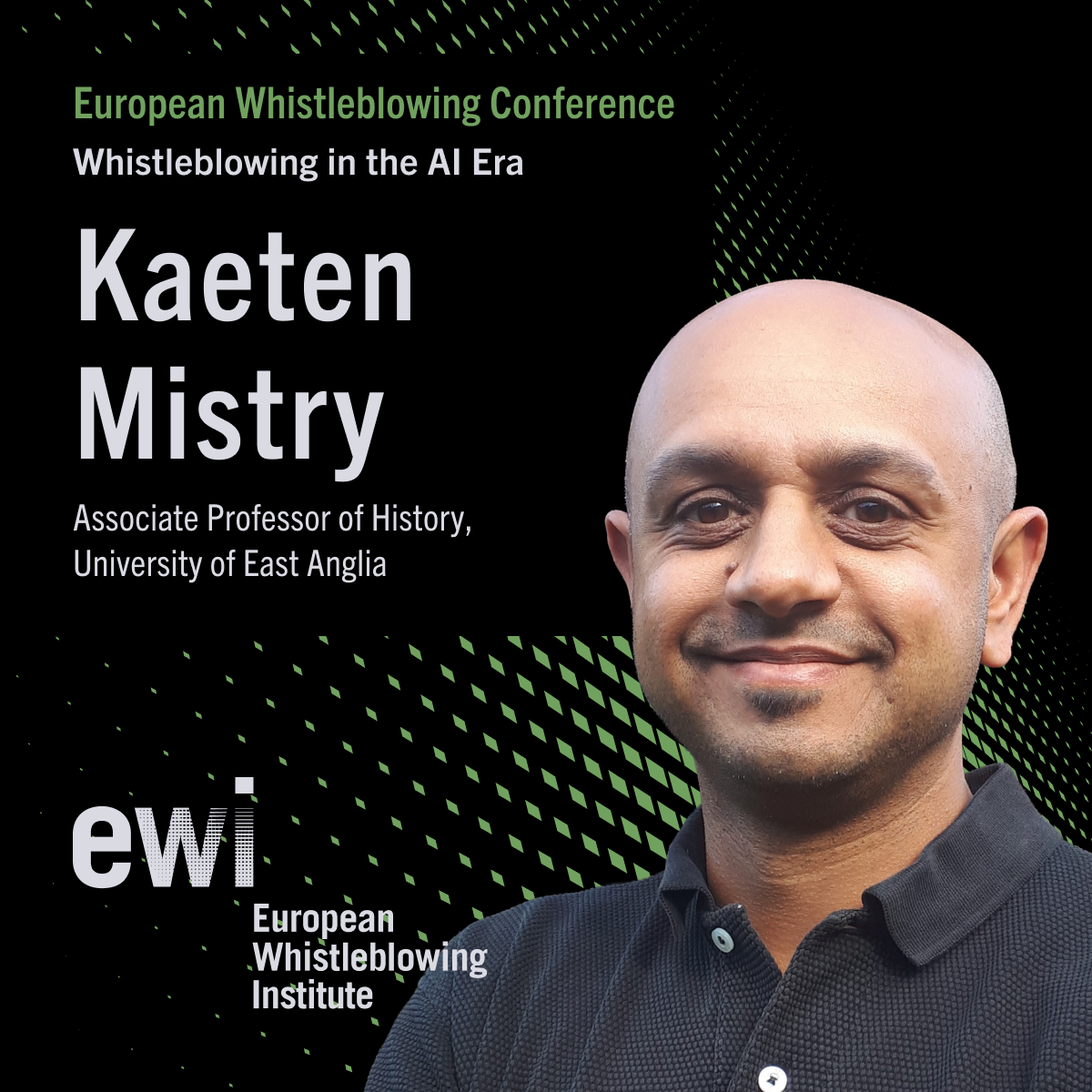
Dr Kaeten Mistry, Associate Professor of History, University of East Anglia (UK)
Dr Mistry is a scholar of international history and global affairs, especially US foreign relations, cultures of secrecy, dissent, and protest. He recently led an international, interdisciplinary project on US national security whistleblowing, which included the book “Whistleblowing Nation” (with Hannah Gurman), collaboration with several whistleblower advocacy groups, and a podcast series with Anna Myers (WIN).
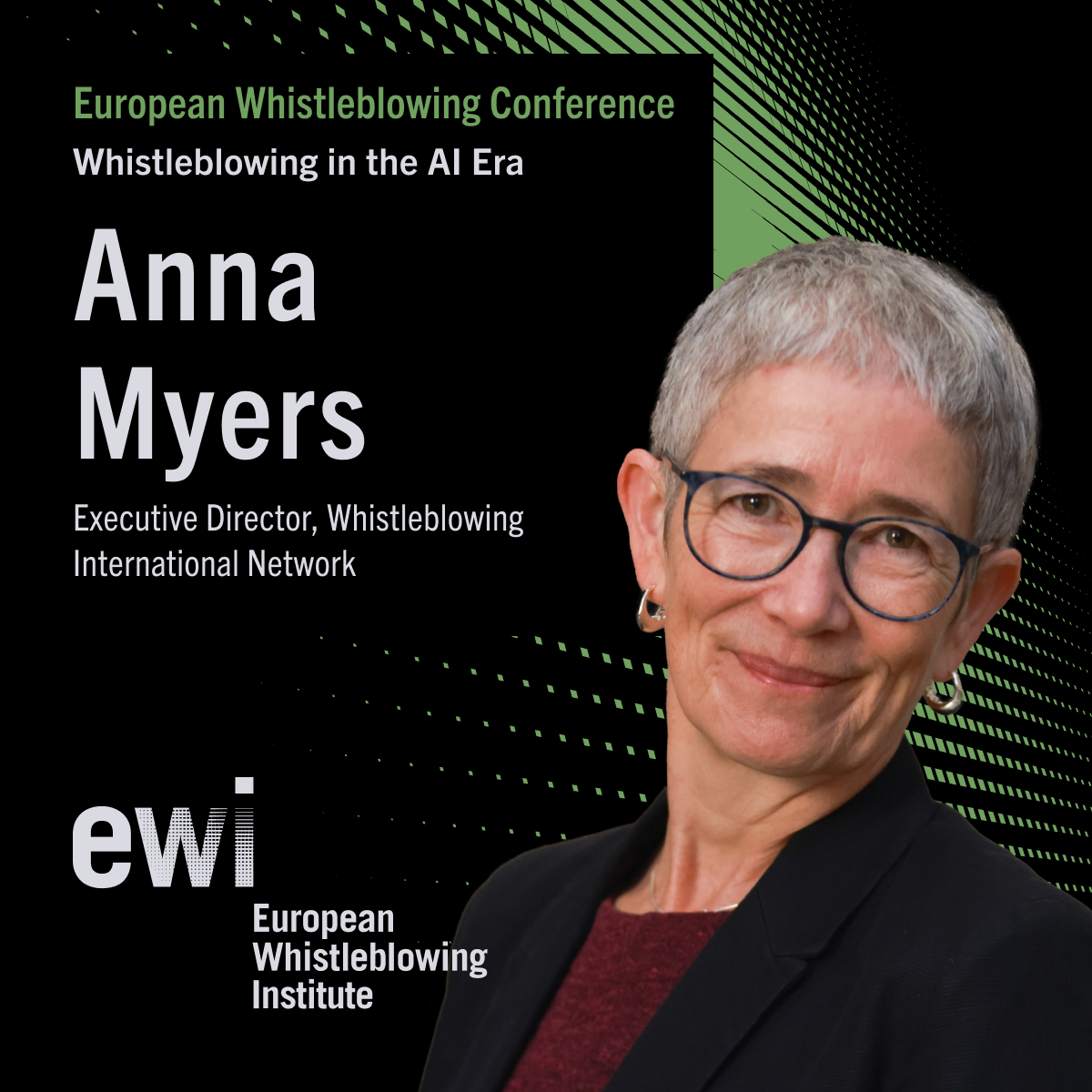
Anna Myers, Executive Director, Whistleblowing International Network
Ms Myers has worked in the field of whistleblowing law and practice for over 25 years. A qualified lawyer, Ms Myers was the Deputy Director of Protect in London and worked for the Group of States against Corruption (GRECO) in Strasbourg. She has advised whistleblowers and worked with governments, legislators, law enforcement and regulatory authorities as well as employers and professional associations to develop and implement strong protections and practices domestically and across borders.
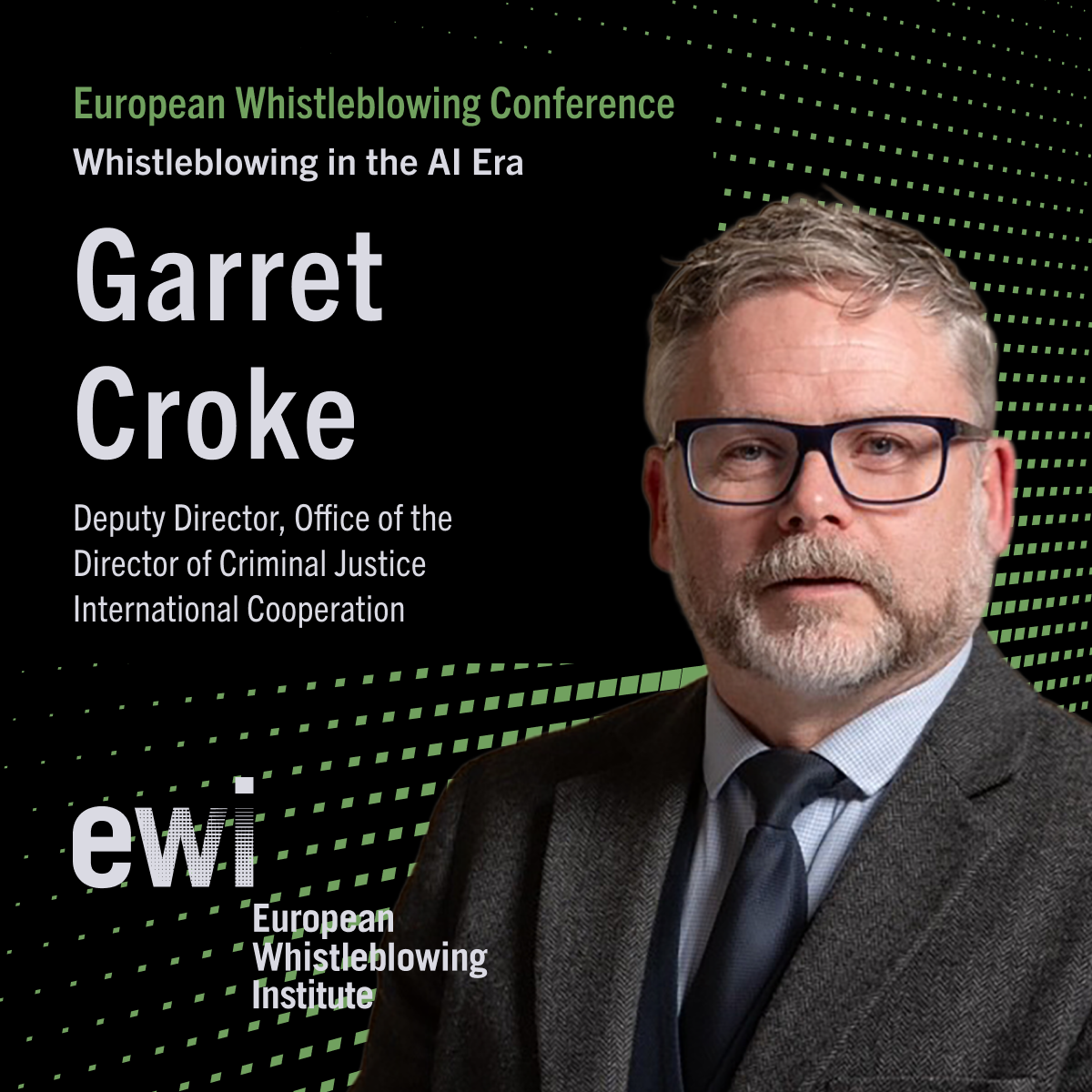
Garret Croke, Deputy Director, Office of the Director of Criminal Justice International Cooperation
Mr Croke is a senior public‑service leader, recently appointed as a Principal Officer helping establish Ireland’s new Office of the Director of Criminal Justice International Cooperation. He previously served as Deputy Director of Operations in the Police Ombudsman Office, Fiosrú, where he oversaw major investigations and played a central national role in whistleblowing governance. He developed, established, and led Fiosrú’s Protected Disclosures Unit.
Panel 3: Challenges in Practice
This panel will examine the deployment of AI within reporting channels, its utilisation by whistleblowers in filing reports, and its systemic impact on the disclosure process. The discussion will also address how the erosion and undermining of the rule of law itself constitutes a fundamental challenge, compromising the statutory protections and procedural fairness. The panel will evaluate the capacity of national authorities to adapt to these realities whilst defending legal integrity against contemporary threats, such as the proliferation of AI-driven misinformation. The discussion will confront the operational complexities, implementation costs, and resource constraints to maintaining robust, legally compliant whistleblowing infrastructure necessary to uphold accountability and the rule of law.
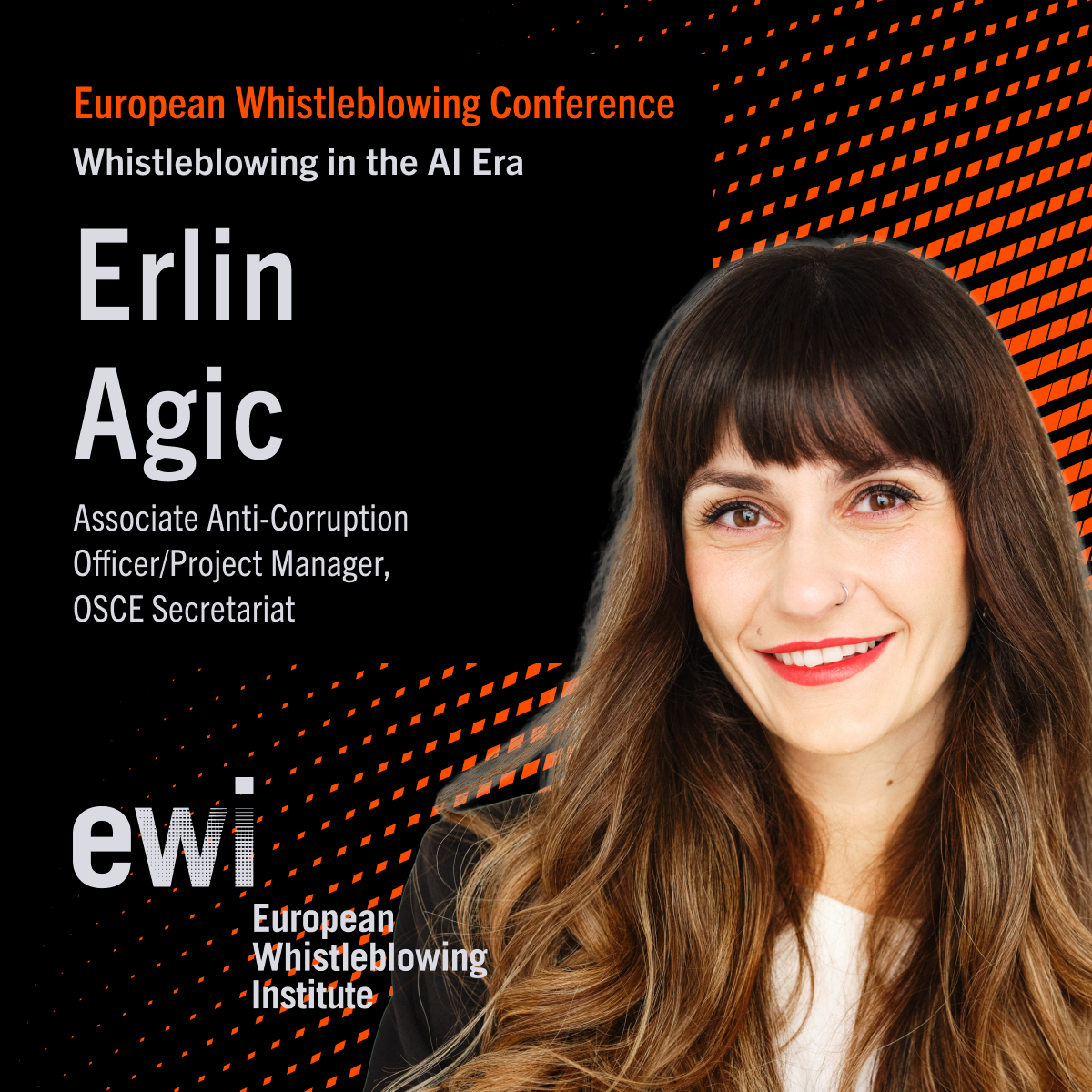
Chair: Erlin Agich, Associate Anti-Corruption Officer/Project Manager, OSCE Secretariat
Ms Agich supports policy development, project management and donor coordination, and works with OSCE institutions, field operations and international partners to strengthen anti-corruption programming across the OSCE region. She also manages an anti-corruption project in Moldova, which supports relevant institutions with enhancing their whistleblower protection mechanisms.
Speakers:
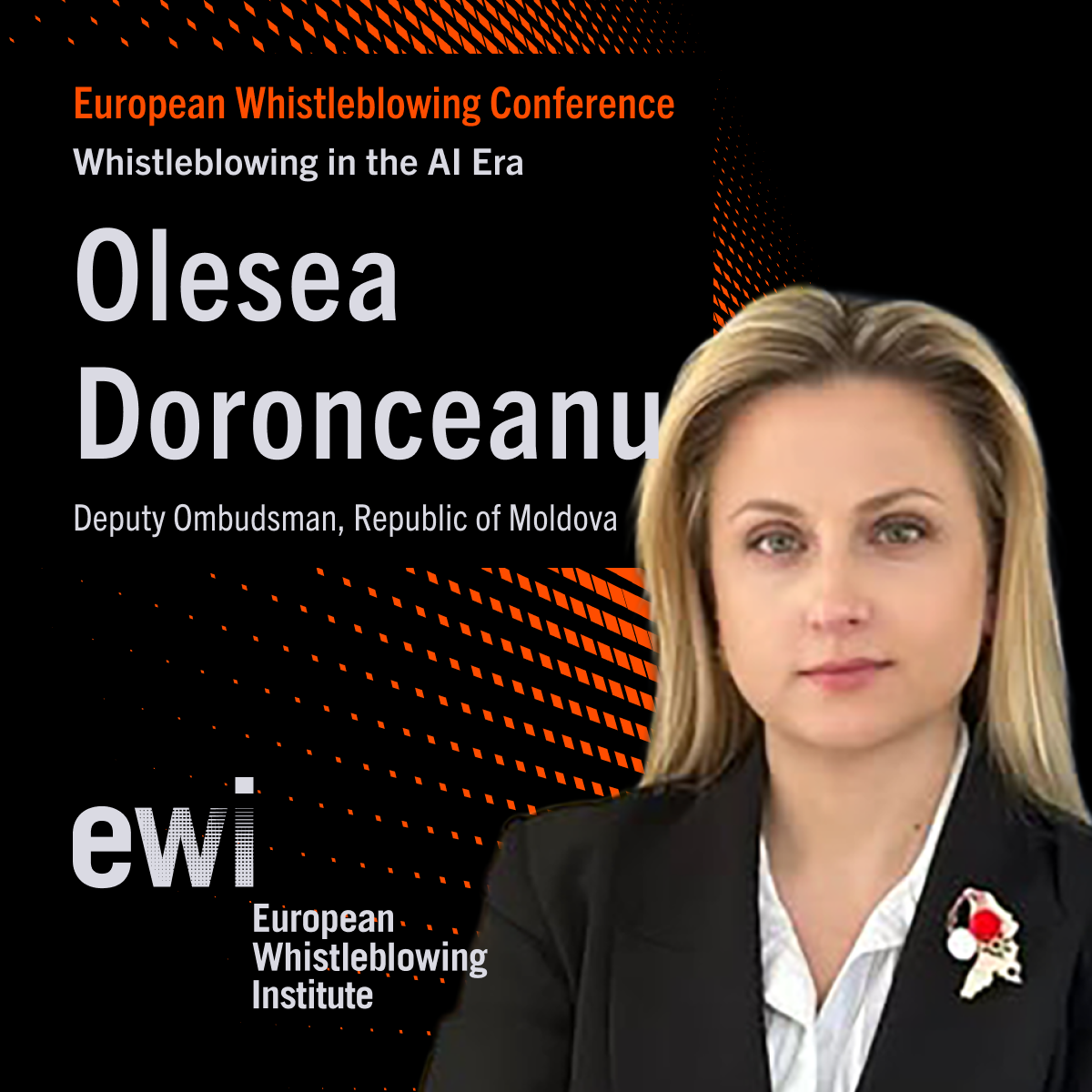
Olesea Doronceanu, Deputy Ombudsman, Republic of Moldova
Ms Doronceanu has over 20 years of professional experience dedicated to the promotion and protection of human rights. As a lawyer, she has specialized in a wide range of human rights areas, including strategic litigation concerning victims of torture and ill-treatment and the protection of vulnerable groups, including victims of human trafficking. She was also a member of the Council for the Prevention of Torture of the Republic of Moldova from 2020 to 2024.
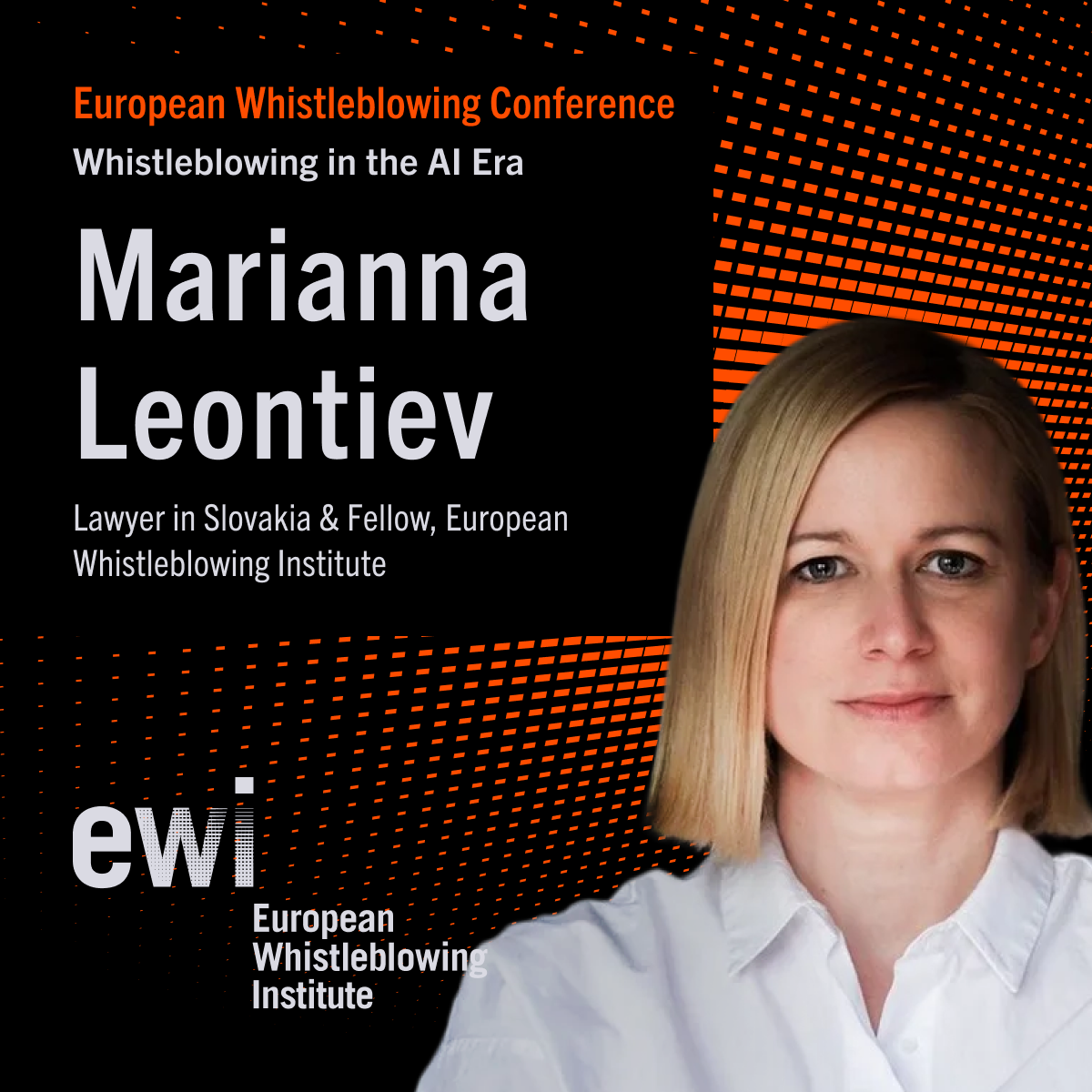
Marianna Leontiev, Lawyer in Slovakia & Fellow, European Whistleblowing Institute
Ms Leontiev is a Slovak attorney who has dedicated many years to supporting whistleblowers through her work in the non-governmental sector. She contributed to major legislative reforms strengthening whistleblower protection in Slovakia, including the establishment of the independent Whistleblower Protection Office. Ms Leontiev is also a member of the State Commission for Elections and Control of Political Party Financing.
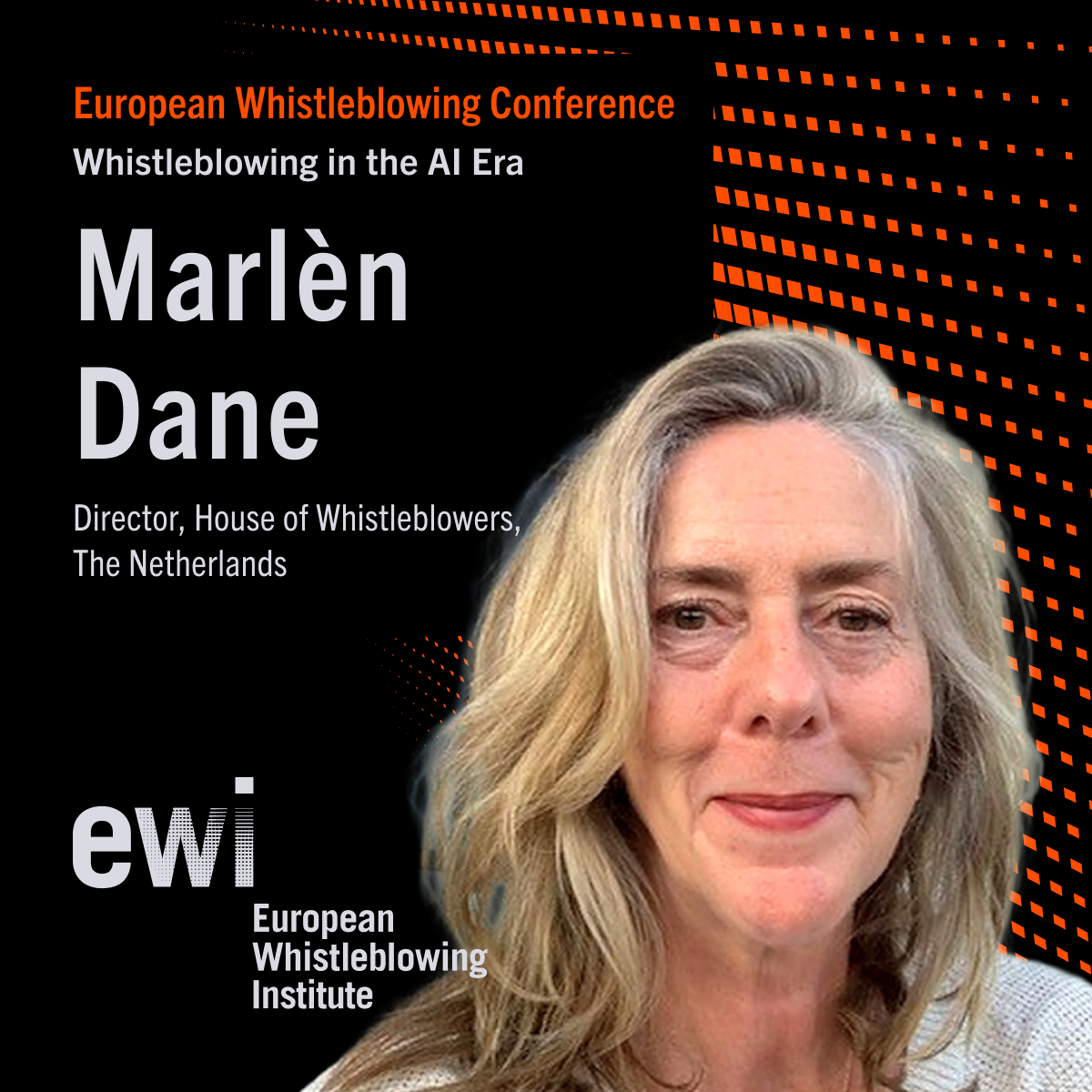
Marlèn Dane, Director, House of Whistleblowers, The Netherlands
Ms Dane is a public sector leader with a legal background and extensive boardroom experience in the (semi-)public sector. As a member of the Supervisory Board of Havensteder (managing over 45,000 homes), she oversaw good governance, social impact, and housing policy issues, with a particular focus on tenants in vulnerable positions. Previously, she led complex reorganizations and transitions at the Province of Utrecht and the Netherlands Court of Audit, and advised the Minister and State Secretary for Justice and Security.
Panel 4: From Law to Culture
It has been a decade since the first model EU law on whistleblower protection was first presented at the European Parliament in May 2016. Since then, the EU Directive was proposed by the European Commission and adopted into law, countries across Europe have spent years debating, revising, and reforming their laws to establish solid legal protections and better enforcement. Today, we are looking at a new chapter. As we anticipate updates to the EU Directive, the challenge ahead is as much about cultural change as it is about legal frameworks.
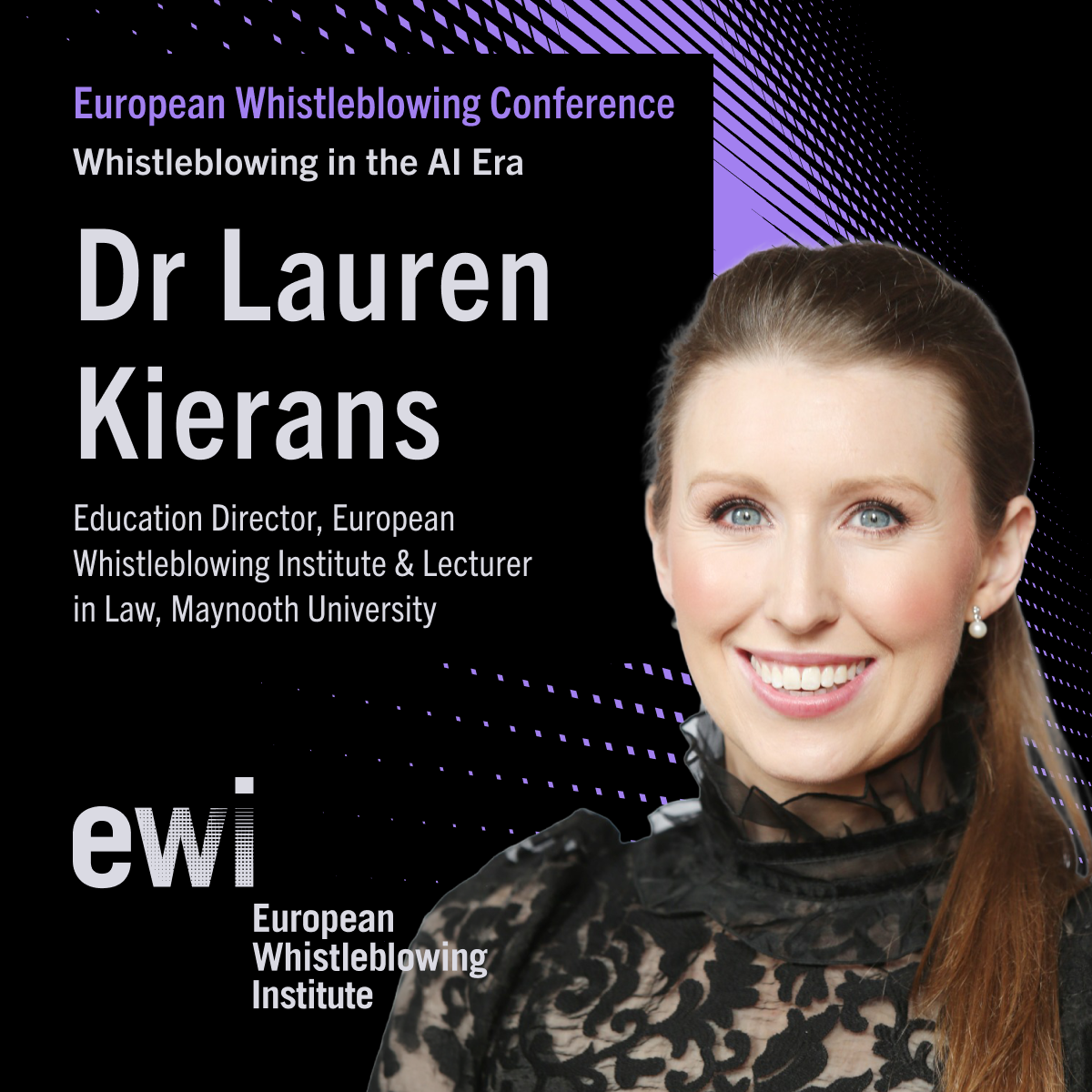
Chair: Dr Lauren Kierans BL, Co-Founder & Education Director, European Whistleblowing Institute & Lecturer in Law, Maynooth University
Dr Kierans is an Assistant Professor in Law at Maynooth University where she lectures on the LLB module ‘Whistleblowing Law and Practice’, the LLM module ‘Whistleblowing Law Clinic’, and the ‘Professional Certificate in Whistleblowing Law, Practice and Policy’. Her research area is focused on whistleblowing law and in 2024, she published the second edition of the Annotated Statute of the Protected Disclosures Act 2014. She has delivered training on whistleblowing to over 3,000 workers.
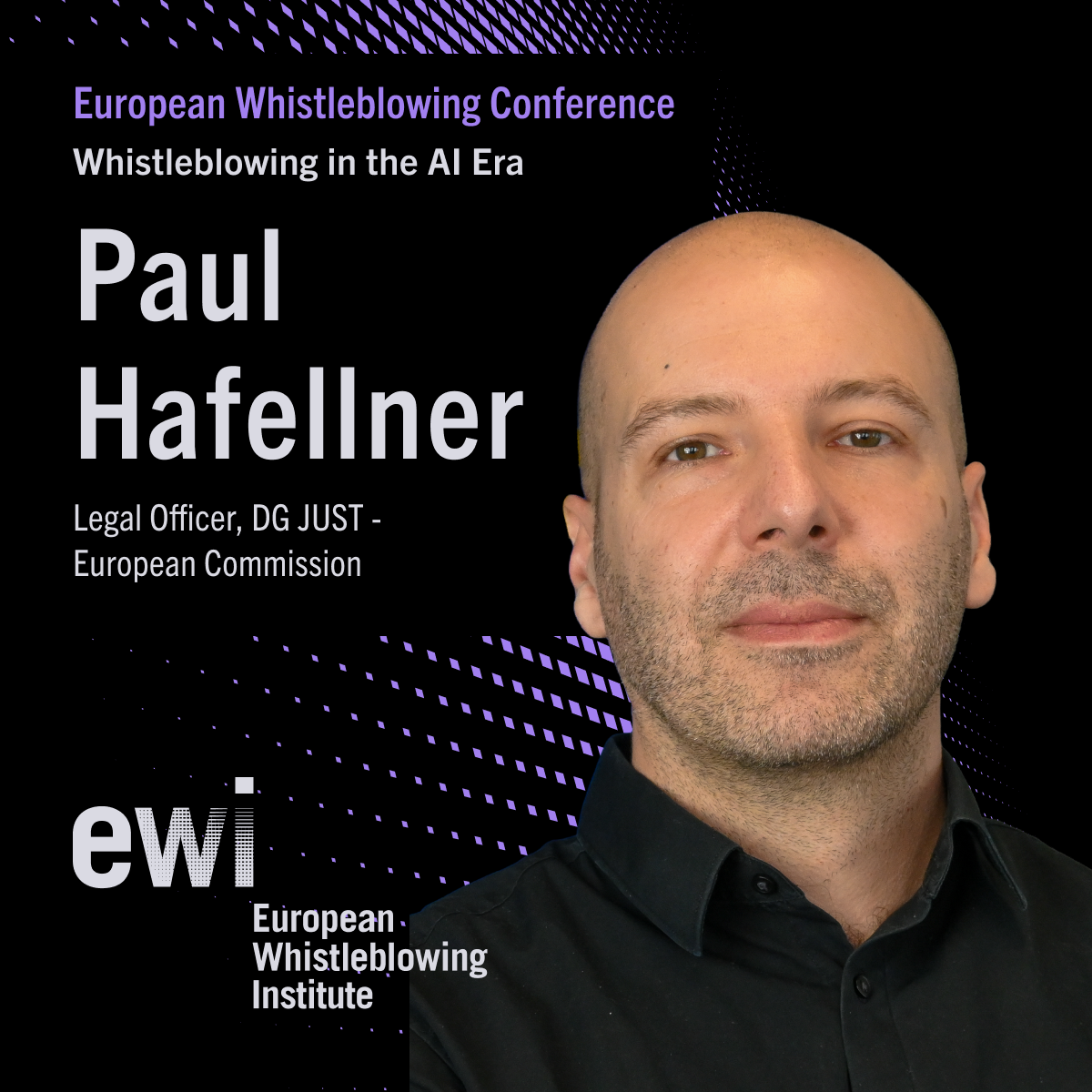
Paul Hafellner, Legal Officer, DG JUST - European Commission
Mr Hafellner is a legal officer at the Directorate-General for Justice and Consumers (DG JUST) of the European Commission. His work focuses on fundamental rights policy and whistleblower protection. He often speaks at public events and panel discussions about whistleblower protection in the EU.
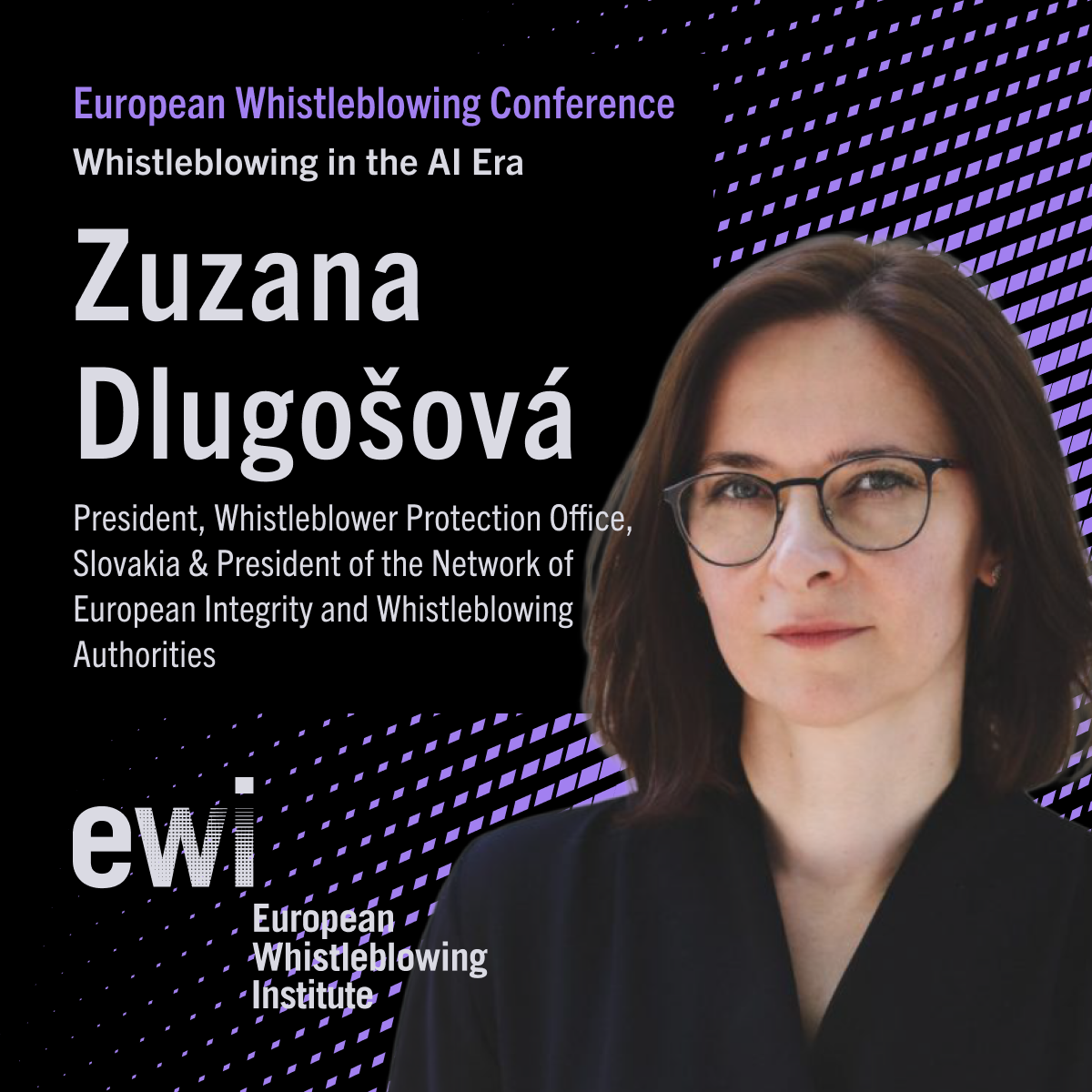
Zuzana Dlugošová, President, Whistleblower Protection Office, Slovakia & President of the Network of European Integrity and Whistleblowing Authorities
A seasoned expert in constitutional law and human rights, she brings extensive international and high-level institutional experience to her practice. Previously, she was a lawyer for the European Court of Human Rights in Strasbourg and a Rule of Law Counsellor for the US Embassy. She is a dedicated advocate for judicial integrity and fundamental freedoms and regularly trains judges, prosecutors, and senior officials at the Judicial Academy on anti-discrimination frameworks, international human rights protection, and judicial ethics. Since 2016, she also teaches legal ethics at the Faculty of Law, Comenius University in Bratislava.
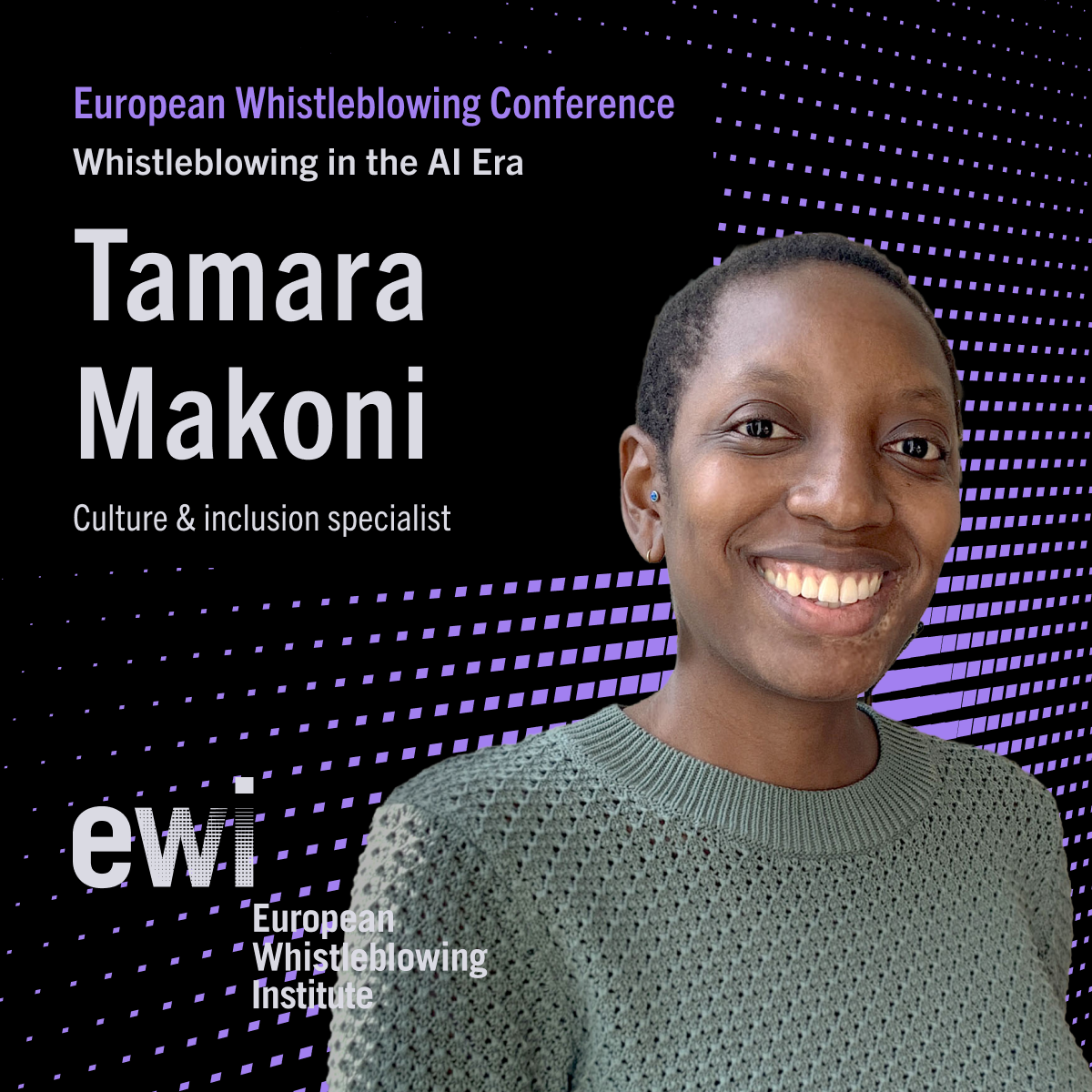
Tamara Makoni, Culture & Inclusion Specialist
Ms Makoni is a culture & inclusion specialist and author whose work focuses on cross-cultural collaboration and inclusive leadership in global environments. As founder & CEO of Kazuri Consulting, she works extensively with multinationals as a strategic advisor, trainer and speaker, helping them build systems and processes that enable trust and transparency. Her first book, Women, Intersectionality & Europe was an international Amazon bestseller, and she is currently writing Building Across Cultures, a practical guide for leaders to manage complexity and in multicultural groups.
This event is organized by the European Whistleblowing Institute (EWI) in collaboration with The AI Whistleblower Initiative (AIWI), Centre of European Law at King's College London, The University of Göttingen, Whistleblowing International Network (WIN), NEIWA (Network of European Integrity and Whistleblowing Authorities), and the OSCE (Organisation for Security and Co-operation in Europe).
